
EV Charger Energy Efficiency Blind Spots 2026 -- 8 Losses & Fixes | POWERIS
Your ultra-fast EV charger consumes far more electricity than expected—bills spike, carbon footprint rises. In 2026, with 350kW+ charging and V2G rollout, energy efficiency blind spots cause 25-40% unnecessary waste. From real EU fleet and CPO data, this guide uncovers 8 common losses and proven optimization strategies to save 20-40% on power costs.
What Are Energy Efficiency Blind Spots?
Blind spots are overlooked factors that reduce charging efficiency—heat loss, idle consumption, poor load balancing, etc.—amplified by ultra-fast and bidirectional trends. Common client complaint: “Our 350kW station uses 30% more power than quoted”—often from unoptimized cooling or idle vampire drain.
How to Identify Efficiency Losses?
Track these metrics:
- Efficiency below 90% (measure input vs delivered kWh)
- Idle power >50W per station
- Temperature-related power drop >10%
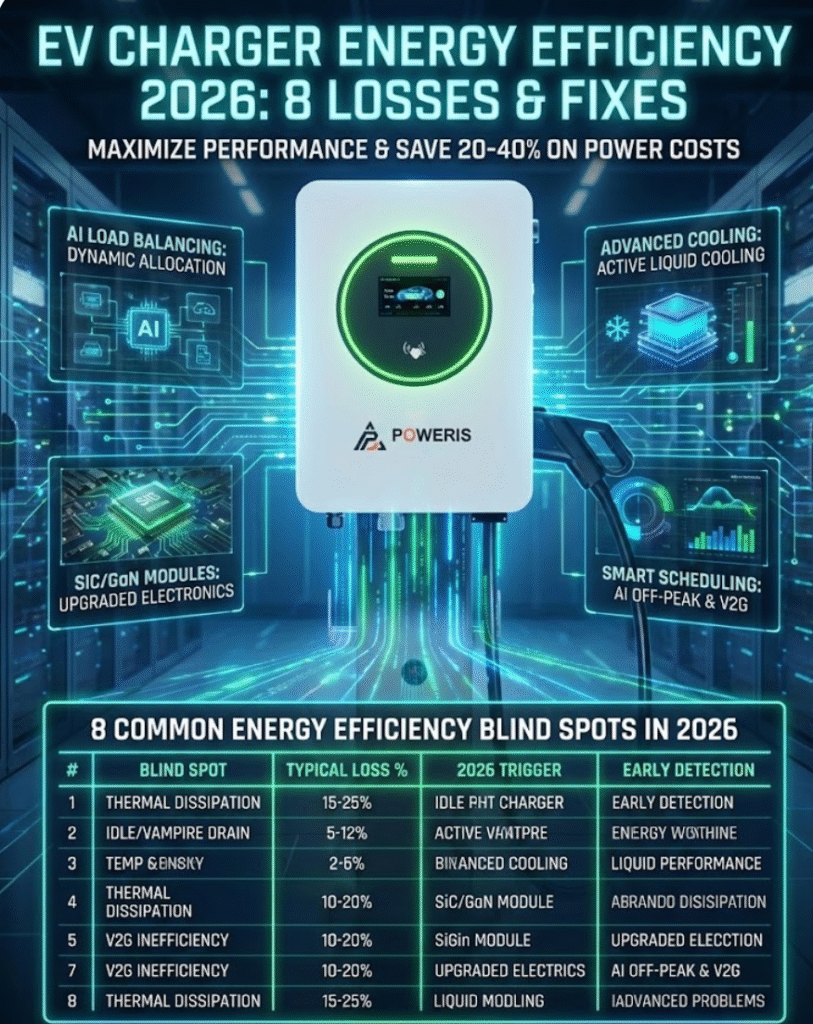
Table: 8 Common Energy Efficiency Blind Spots in 2026
| # | Blind Spot | Typical Loss % | 2026 Trigger Factor | Early Detection Method |
|---|---|---|---|---|
| 1 | Thermal dissipation in ultra-fast | 15-25% | 350kW+ high current heat | Temp monitoring >65°C |
| 2 | Idle/vampire power drain | 5-12% | Always-on control boards | Measure power when no car connected |
| 3 | Poor load balancing | 8-18% | Multiple vehicles uneven distribution | Power log shows imbalance |
| 4 | V2G round-trip inefficiency | 10-20% | Bidirectional conversion losses | Compare grid-to-vehicle vs return |
| 5 | Cable resistance loss | 3-8% | Long/high-current cables | Voltage drop test >3% |
| 6 | Inefficient power module | 5-15% | Older Si vs new SiC/GaN modules | Efficiency curve comparison |
| 7 | Software scheduling gaps | 7-15% | No AI dynamic pricing/load shift | Peak vs off-peak cost ratio |
| 8 | Environmental derating | 5-12% | High ambient temp derates output | Output vs rated power in heat |
Leverage trends for real savings:
- AI load balancing:Dynamic allocation reduces imbalance loss by 15-25%.
- Advanced cooling:Active liquid cooling for ultra-fast cuts heat loss 20%.
- SiC/GaN modules:Upgrade power electronics for 3-5% efficiency gain.
- Smart scheduling:AI off-peak charging + V2G return feed saves 10-30%.
FAQ
- Q: What’s realistic efficiency for 350kW ultra-fast chargers in 2026?
- A: 92-95% with AI cooling and SiC modules; below 88% signals blind spots.
- Q: How much can V2G save on energy costs?
- A: 15-35% return feed potential, minus 10-20% round-trip loss.
Share your energy bill surprises or efficiency wins with POWERIS to get discussion.